Introduction: From Job Board to B2B Ecosystem
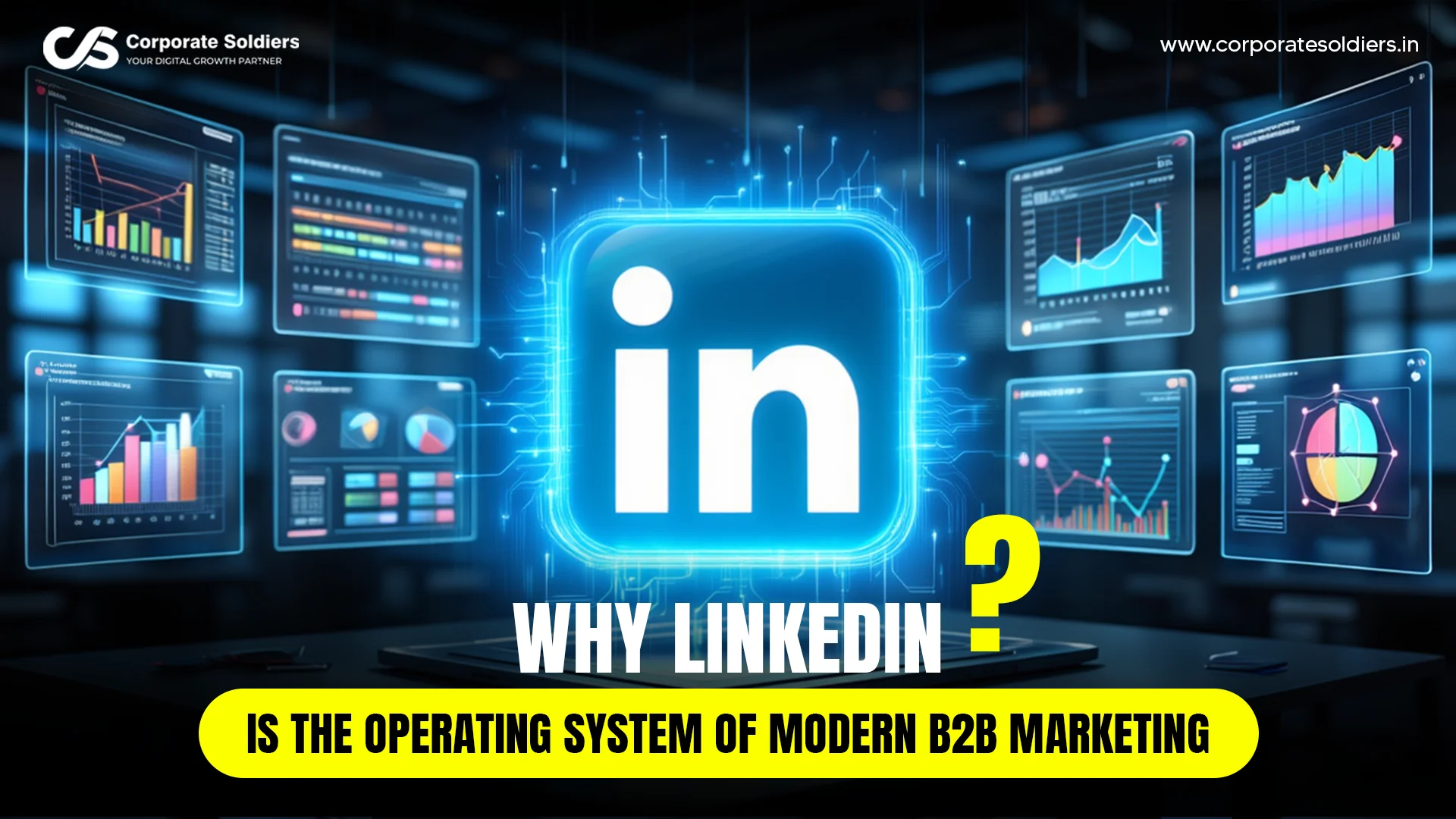
LinkedIn has experienced a tremendous change in the last 10 years. What started as a business networking and hiring tool has turned into an advanced system of B2B marketing. It is now a major meeting point, where decision-makers, industry professionals and organizations can meet and discuss their insights, assess their opportunities and develop business relationships over time.
However, in the case of B2B organizations that are dealing with complicated sales cycles and high value deals, LinkedIn provides a special environment that values credibility, intent and professional interactions. It is no longer a matter of choice to be relevant: it is central to the digital branding and lead generation strategies of today.
LinkedIn as a B2B Platform
A High-Intent, Professional Audience
LinkedIn is a business-oriented platform as opposed to other social platforms whose operations are motivated by entertainment or personal relationships. Users are there with a definite aim- networking, learning, vendor evaluation and business opportunity. This creates a high-intent environment which is in line with the B2B marketing goals.
Access to Decision-Makers
The ability to have decision-makers in industries is one of the best benefits of LinkedIn. Starting with C-suite executives and all the mid-level managers, who are directly connected to the procurement and strategy, the platform offers direct access to those in charge or who can impact purchasing decisions directly. This makes it especially effective for B2B lead generation on LinkedIn.
Data-Driven Targeting Capabilities
LinkedIn provides the ability to target the audience accurately according to the job positions, industries, company size, and professional interests. This degree of targeting will make sure that marketing activities are targeted to the appropriate stakeholders and that the level of engagement and conversion will be enhanced.
Why LinkedIn Matters for Brands
Building Organizational Credibility
In the case of B2B companies, trust is not established in a short period of time. Buyers typically undergo extended research cycles before making decisions. Reliability and expertise can be indicated by a well-managed LinkedIn presence with regular posts, thought leadership, and news about the company. Additionally, LinkedIn plays a strategic role in talent acquisition, enabling organizations to attract and engage skilled professionals aligned with their brand and culture.
The Power of LinkedIn Personal Branding
In addition to company pages, individual professionals are very essential in the perception of the brand. Active participation of leaders and employees in provision of insight builds authority and humanizes the organization. LinkedIn personal branding allows business to increase its voice with authentic and experience-based views.
Visibility in the Buyer Journey
The contemporary B2B consumers do their own research before they make contact. Content on LinkedIn tends to be included in this discovery process. Brands that constantly provide useful information will continue to be noticed through the purchase process, making an impact even prior to actual interaction.
Common Mistakes Brands Make
Treating LinkedIn as a Broadcasting Channel
There are a lot of organizations that utilize LinkedIn in order to present announcements or promote something. This strategy creates a cold approach and does not appeal to a professional audience, who wants to see something of substance, rather than advertisement.
Inconsistent Content and Messaging
The sporadic posting and disjointed communications water down brand memory. Lacking a clear narrative or content direction, brands can hardly create authority or keep the audiences interested.
Ignoring Personal Profiles
Using company pages and ignoring employee advocacy is one of the opportunities that is missed. Individuals do not interact with the logos, but with people. Absence of active personal profiles causes a lower reach and authenticity.
Misalignment with the Buyer Journey
The content that lacks the various phases of the buyer journey such as awareness, consideration, and decision is usually not converted. Messaging that is overly salesy (particularly during initial phases) may scare off potential leads.
How to Use LinkedIn Effectively
Develop a Structured LinkedIn Content Strategy
An effective LinkedIn content strategy must balance thought leadership, educational content, and industry insights. The content should tackle actual business issues, and it should be informative as opposed to promotional. There must be consistency, frequency, as well as tone and message.
Leverage Personal Branding Across Leadership
Get leadership teams and key employees to be active on LinkedIn. Their thoughts, stories, and views add to a more expansive brand story. This will build trust and increase reach through organic means.
Maintain Consistency and Strategic Messaging
Consistency goes beyond posting schedules. It consists of visual identity, messaging structures and thematic alignment. The brands are supposed to establish clear pillars of communication that depict their experience and positioning in the market.
Align Content with the Buyer Journey
Effective LinkedIn for B2B marketing requires a clear understanding of buyer behavior in terms of content. Awareness is created through educational posts, consideration is promoted through case studies and strategic knowledge is anchored through strategic insights to reinforce decision making. Every step needs customized messages.
The Role of Strategic Partners
Implementing a high impact LinkedIn strategy needs more than content creation – it needs to be aligned with brand positioning, audience knowledge, and distribution strategies. Here is where strategic partners, including specialized digital marketing agencies, will be of help.
In addition, LinkedIn services tailored for corporate professionals are increasingly focused on optimizing company pages forvisibility and engagement. This includes structured content planning, audience targeting, and consistent engagement strategies designed to grow page followers organically. A strong follower base not only improves brand visibility but also enhances credibility, ensuring that content reaches the right professional audience at scale.
They introduce order, planning of editors and performance analysis that make them consistent and effective. More to the point, they aid in a business goals translation into a content that can be consumed by the appropriate audience, at the appropriate moment, with the appropriate voice.
These partners are not content vendors but rather strategic facilitators, they are the linkage between market perception and brand intent.
A Strategic Imperative for B2B Growth
LinkedIn is no longer an optional component to the B2B marketing mix- it is a strategic requirement. This is because of its special blend of professional motive, ease of access to decision-makers and content-based interaction that makes it invaluable to the organizations that seek to instill trust and produce quality leads.
The more brands take a clear, consistent, and strategic stance to LinkedIn, the more likely they would impact the long sales cycles and build long-lasting relationships. LinkedIn is one of the strongest channels of sustainable B2B development in the environment where credibility is a determining factor of conversion.