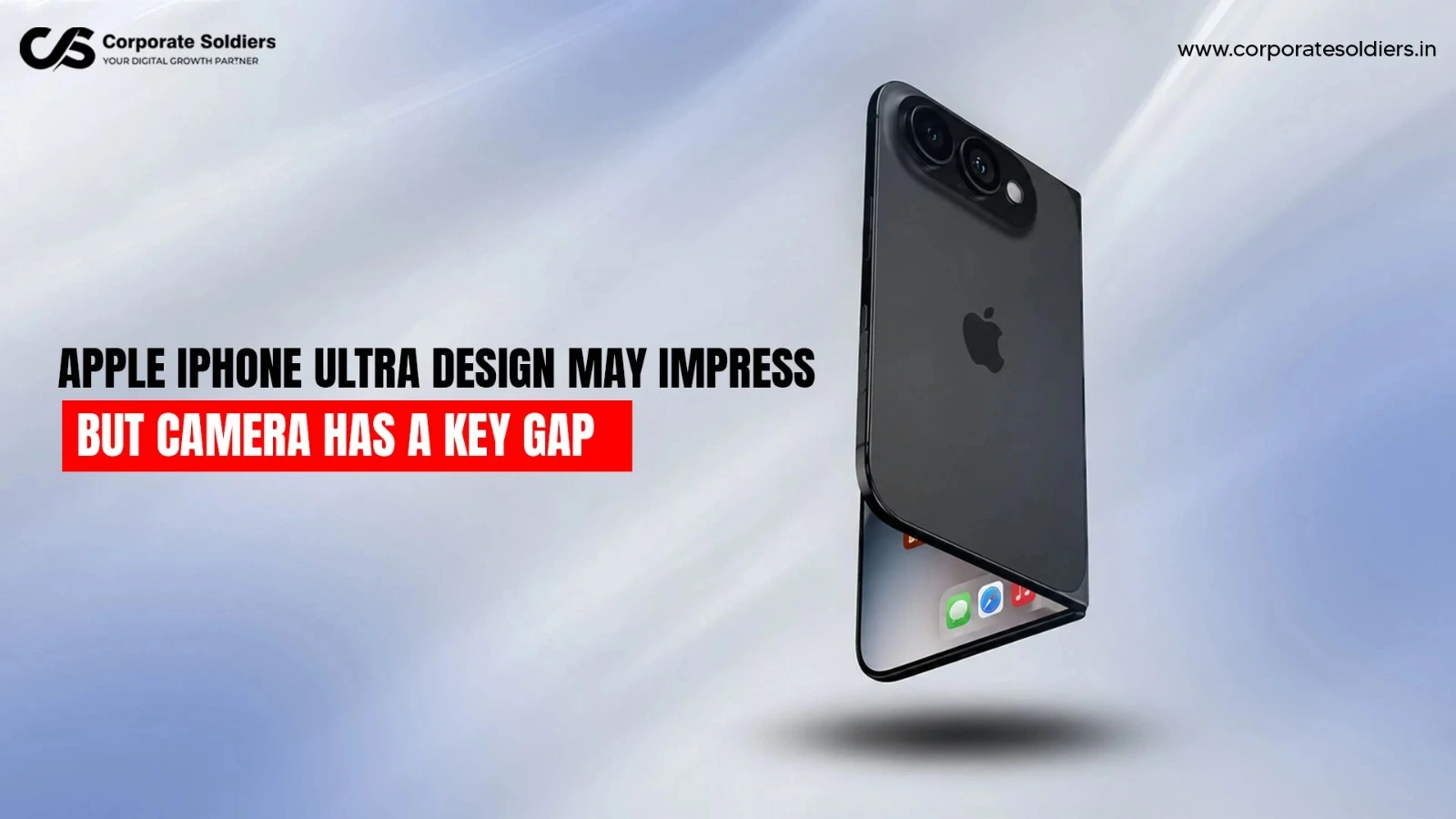
The whole industry has increasingly speculated on Apple entering the foldable smart phone market, with fresh supply chain sources and media articles giving insight into what could be the most radical product design break that the company has made in over ten years. With a name change touted as the internal technology of an iPhone Ultra, the alleged product is also said to be getting applause in the preliminary testing community due to the sleek design, and its programmed hinge technology. The ‘iPhone Ultra’ name remains a placeholder used in current reports and has not been confirmed by Apple.
There could be quite a significant trade off, however, in the design compromises necessary to achieve such a thin profile. The next generation of the foldable flagship may not include a dedicated optical telephoto lens, as reported recently, which may be missing one flagship feature of mobile photography offered by Apple that would be considered important within the high-end price category.
iPhone Ultra: What Reports Suggest
According to current reports, Apple is expected to introduce its first foldable smartphone alongside its next-generation flagship iPhone models. Instead of using a small form factor of a flip, the existing leaks in the industry are indicated towards a book style of folding architecture that intends to make the transition between a normal smartphone and a compact tablet.
As was reported by Bloomberg in an article written by Mark Gurman, preliminary views of people who had sampled prototype testing were primarily concerned with the ergonomics and structural implementations. The internal positioning is an ultra-premium, creating a new flagship that is above the Pro Max models in the Apple hierarchy.
| Reported Specification | Expected Detail |
| Internal Display | 7.8-inch inner folding screen |
| Cover Display | 5.5-inch outer panel |
| Form Factor | Book-style foldable |
| Rear Camera Setup | Dual-camera (48MP Main + Ultra-Wide) |
| Reported Omission | Dedicated Telephoto Lens |
| Estimated Base Price | Around $2,000 |
Design Could Be a Major Highlight
According to current reports, the iPhone Ultra’s design choices may address some of the common challenges associated with foldable smartphones, particularly bulk and hinge durability.
- Ultra-Thin Form Factor: Testers report that, although there are two screen assemblies housed by the phone, the folded down phone is thin enough to fit into typical pockets quite comfortably.
- Hinge: Early testers have reportedly praised the feel and durability of the hinge mechanism.
- Dual-Screen Utility: The reported 5.5-inch external display would allow conventional smartphone use when the device is closed, while the 7.8-inch internal display would provide a much larger workspace when unfolded.
- Enlarged Display Workspaces: The larger internal display is also expected to support iPad-like app layouts designed to take advantage of the additional screen space.
The Camera Feature It May Miss
The iPhone Ultra’s camera system may fall short for photography enthusiasts who expect no-compromise hardware at a premium price. It has been reported that Apple can equip the device with a dual camera module on the rear side with a 48-megapixel primary camera, and an ultra-wide sensor, omitting any optical telephoto camera entirely.
The reported absence of a telephoto camera could reflect the design constraints involved in fitting multiple camera components into an unusually thin foldable chassis. The omission would also distinguish the reported iPhone Ultra from competing foldables such as Samsung’s Galaxy Z Fold7, which includes a dedicated 10MP telephoto camera with 3x optical zoom.
What This Could Mean for Photography
If the telephoto lens is left out, there could be practical trade-offs for potential users:
- Loss of True Optical Zoom:Without a telephoto lens, users would not have the same dedicated optical zoom capability available on some existing flagship smartphones.
- Remote-Subject Photography: Without a dedicated telephoto camera, users may have less flexibility when photographing distant subjects such as wildlife, sports or far-off cityscapes compared with smartphones that offer dedicated telephoto hardware.
- Viewfinder Advantage vs. Hardware Limits: At the same time, early testers have reportedly praised the device’s usefulness as a camera viewfinder, adding another potential advantage to its large internal display.
Rumours vs. Confirmed Information
As the hype grows throughout the technology industry, it is important to separate the truth that is proven and things that are currently reported.
- Officially Confirmed by Apple: Apple has not officially announced the device or confirmed its specifications, pricing or release details.
- Reported / Leaked: The iPhone Ultra name, 5.5-inch and 7.8-inch display sizes, dual-camera design, hinge characteristics and reported price range are based on industry reports and media leaks rather than official Apple announcements.
How the iPhone Ultra Could Fit Into Apple’s Line-Up
Launch of an ultra-premium foldable would be a move that would strategically evolve Apple hardware. Apple might be able to appeal to power users and first adopters, who would be willing to sacrifice certain optical functions to get extra screen space and new structural design by positioning a category that is priced greatly above the existing Pro Max line.
It has been reported that the device might come out priced at around $2,000, with larger storage models potentially being priced beyond $2,500. Such a high entry price would position the anticipated device as a specialty product rather than an immediate replacement for Apple’s mainstream traditional iPhones.
What We Know So Far
- Design Emphasis: Initial reports point to a thin profile, a well-received hinge and a dual-screen foldable design.
- Hardware Compromise: The reported dual-camera setup would leave out a separate telephoto camera.
- Software Experience: It is likely to have dedicated software improvements when it comes to providing additional screen space to productivity as well as media consumption.
- Formal Status: Every hardware setup, naming scheme and release schedule are not validated until official information is released by Apple.
Conclusion
The alleged Apple iPhone Ultra becomes a representation of the fine-walking balancing act that comes about with the cutting-edge mobile hardware. Although early impressions suggest its advanced hinge design and exceptionally thin folding design would be widely acclaimed, the absence of a telephoto is likely to draw attention to the challenges of folding technology physically. The potential tradeoff between the experience of transformational display and camera compromises, as perceived by consumers, may end up dictating the business direction of future innovations in the space of ultra-premium iPhones.