From ₹1,100 Luxury Hotels to Hidden Poverty: The India vs China Debate Has Exploded
For years, China has been presented as the ultimate example of rapid development. Futuristic skylines, bullet trains, mega airports, and smart cities have often been used to showcase China’s rise as a global superpower.
But now, a new online movement led by Indian social media users is challenging that narrative.
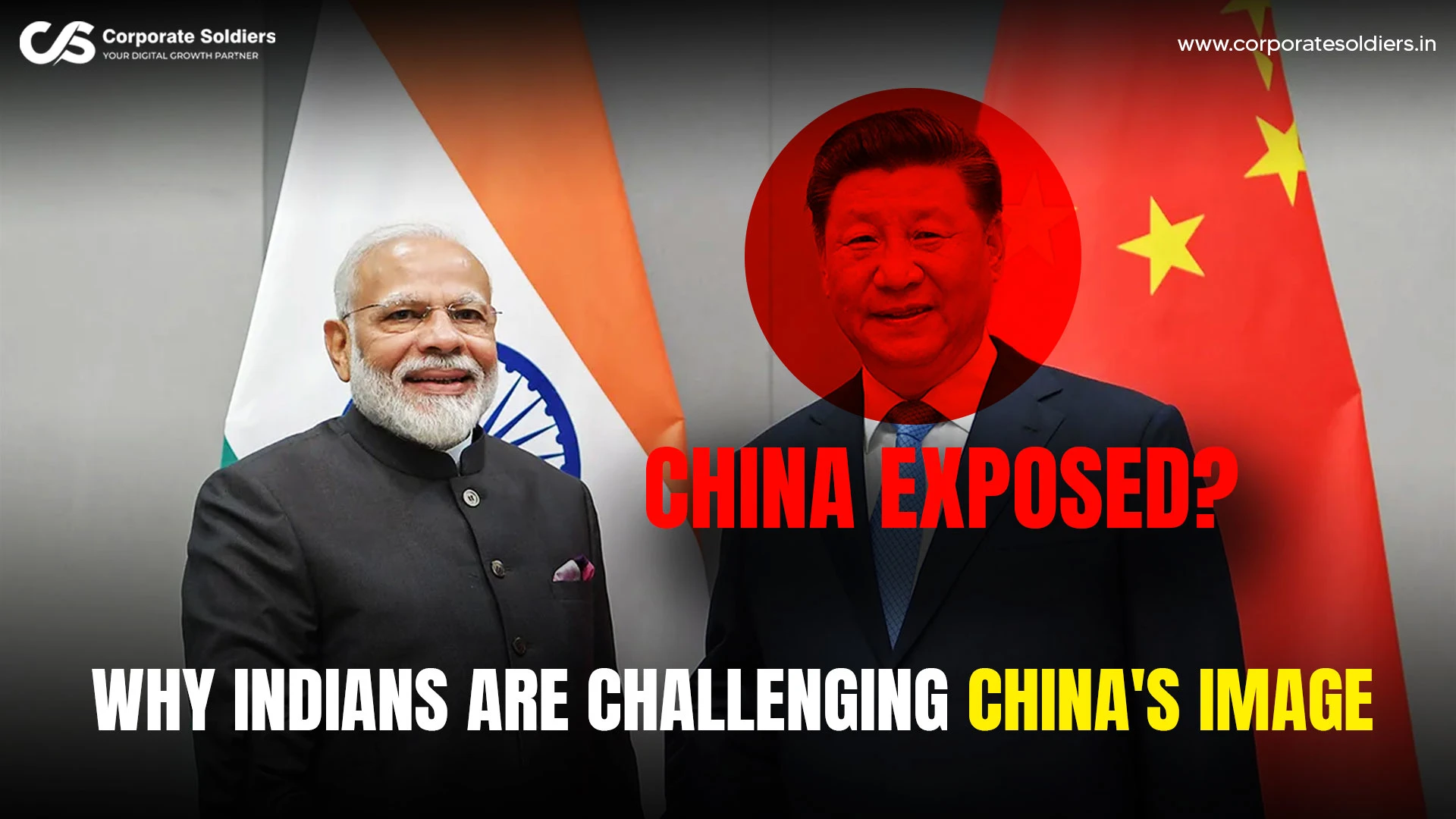
Across X, Instagram, YouTube, and Facebook, viral posts are questioning whether China’s polished image tells the full story. The debate has rapidly evolved from infrastructure comparisons into a larger discussion about economic inequality, living standards, censorship, border tensions, and the everyday realities faced by ordinary citizens.
And one viral video has added even more fuel to the fire.
The ₹1,100 China Hotel That Shocked the Internet
The latest controversy began when an Indian travel vlogger showcased a fully furnished duplex-style hotel room in Chengdu, China, for just ₹1,100 per night. The room featured a projector, loft bedroom, washing machine, refrigerator, sofa area, and several premium amenities usually associated with much more expensive accommodations. The video quickly went viral and triggered millions of views across social media.
Many viewers were amazed.
Others immediately started comparing it to hotel prices in Indian cities such as Mumbai, Bengaluru, Delhi, and Chennai, where similar accommodations often cost significantly more. The discussion soon transformed into a full-scale India vs China battle online.
“China Looks Rich, But Is It Really?”
As the debate intensified, Indian users began sharing videos and reports highlighting aspects of China that rarely receive international attention.
Posts discussing income inequality, rural poverty, labor conditions, demographic challenges, and economic slowdowns started gaining traction. Many argued that while China’s mega cities look impressive, they do not necessarily represent the reality experienced by hundreds of millions of people across the country.
The phrase “show us the villages, not just the skyscrapers” became a common theme in many online discussions.
The Great Firewall Question
Another major talking point revolves around internet censorship.
Critics argue that China’s strict control over online information limits public discussion on sensitive topics. Social media users frequently point out that platforms such as X, Google, YouTube, and Facebook remain inaccessible inside mainland China without workarounds.
For many Indian users, this has become a central argument in the comparison between the two countries.
Old Border Videos Are Going Viral Again
Adding to the tension, historical footage of military face-offs between Indian and Chinese troops along the Line of Actual Control (LAC) has resurfaced repeatedly.
Every time India-China relations trend online, these clips attract millions of views and reignite nationalist discussions from both sides.
While most of the videos are not new, they continue to generate strong reactions because of the unresolved border disputes between the two countries.
The Telecom Mystery Near the Border
One of the most unusual stories circulating online involves Indian travelers near Ladakh claiming their smartphones automatically switched to China Standard Time after connecting to stronger Chinese telecom signals.
Whether viewed as a technical issue or simply a curious border phenomenon, the story spread rapidly across social media and became another example used in the ongoing India-China rivalry narrative.
The Bigger Reality Nobody Wants to Admit
The truth is that both countries dominate different areas.
China currently leads in manufacturing, transportation infrastructure, exports, and urban development.
India, meanwhile, is growing rapidly in technology, digital payments, startups, services, and demographic potential.
Yet social media rarely rewards balanced analysis.
Instead, algorithms promote the most extreme comparisons, the most emotional videos, and the most controversial claims.
That’s why a simple hotel room tour worth ₹1,100 suddenly turned into one of the internet’s biggest geopolitical debates.
Final Thoughts
What started as a travel video has evolved into something much bigger.
Millions of users are now questioning long-held assumptions about development, prosperity, and quality of life. The India vs China debate is no longer just about GDP numbers or skyscrapers.
It’s about perception versus reality.
And if recent trends are any indication, this online rivalry is only getting started.